

Struggling to turn sporadic leads into a real sales pipeline can leave even the most dedicated B2B SaaS founders feeling stuck. With so many outdated outreach tactics still in play across North America, it can be hard to decide whether to shift efforts toward LinkedIn-based strategies or refine what you already have. This comparison uncovers key differences between traditional outbound sales and modern multi-channel approaches, highlighting why understanding the evolution of outbound methods is crucial for building predictable, quality connections.
Table of Contents
- Outbound Sales Defined and Common Misconceptions
- Hidden Origins of B2B Growth Problems
- Risks of Premature Outbound Adoption
- When Outbound Drives Predictable Pipeline
- Evaluating Readiness for LinkedIn-Based Outbound
Key Takeaways
| Point | Details |
|---|---|
| Modern Outbound Sales Approaches | Effective outbound sales now focus on strategic research, personalized messaging, and multi-channel engagement for meaningful connections. |
| Internal Growth Challenges | B2B organizations often face invisible systemic issues that hinder growth, stemming from misaligned departments and outdated technologies. |
| Risks of Premature Adoption | Rushing into outbound sales without proper understanding and preparation can lead to wasted resources and diminished team morale. |
| Building a Predictable Pipeline | A consistent, reliable outbound pipeline relies on hyper-specific targeting, robust lead qualification, and a data-driven approach to generate predictable growth. |
Outbound Sales Defined and Common Misconceptions
Outbound sales represents a proactive sales approach where sellers initiate contact with potential customers, moving far beyond traditional cold calling techniques. Unlike passive inbound strategies, outbound sales requires strategic research and targeted engagement across multiple communication channels.
Traditionally, outbound sales strategies involved generic cold calls and mass email campaigns. Modern approaches have dramatically transformed this perception, incorporating sophisticated targeting, personalization, and multi-channel communication techniques. The core objective remains creating meaningful initial connections with prospects who might benefit from a company’s products or services.
Key characteristics of contemporary outbound sales include:
- Highly targeted prospect research
- Personalized messaging approaches
- Strategic communication across multiple platforms
- Data-driven prospect identification
- Precision-focused engagement strategies
Sales representatives now leverage advanced technologies and research methodologies to craft nuanced outreach strategies. Multi-channel outreach techniques have replaced simplistic cold calling, incorporating LinkedIn networking, strategic content sharing, and intelligent CRM integrations to create more authentic connections.
The most successful outbound sales approaches recognize that potential customers expect tailored, value-driven interactions. This means moving beyond transactional conversations and developing genuine understanding of prospect challenges and potential solutions.
Here’s a quick comparison of traditional vs. modern outbound sales approaches:
| Aspect | Traditional Outbound | Modern Outbound |
|---|---|---|
| Communication Method | Cold calls and mass emails | Multi-channel, targeted outreach |
| Level of Personalization | Generic scripts | Highly personalized messaging |
| Technology Integration | Minimal | Advanced CRM and analytics |
| Resulting Connections | Transactional, short-lived | Authentic, value-driven |
Pro tip: Invest more time in researching and understanding your ideal customer profile before initiating any outbound communication strategies.
Hidden Origins of B2B Growth Problems
Growth challenges in B2B environments often stem from invisible systemic issues that traditional diagnostic approaches frequently overlook. Many companies mistakenly attribute slow growth to external market conditions when the real problems reside deep within their operational infrastructure.
Legacy system inefficiencies create significant barriers to scalable growth, trapping organizations in outdated operational models. Over half of B2B enterprises struggle with manual processes, disconnected technologies, and organizational misalignments that quietly erode competitive potential.
Key hidden growth obstacles include:
- Misaligned sales and marketing departments
- Fragmented technological ecosystems
- Rigid organizational hierarchies
- Slow decision-making processes
- Insufficient data integration capabilities
The most pervasive growth limitations emerge from internal communication bottlenecks that create invisible friction across organizational systems. These constraints manifest through complex approval chains, siloed departments, and inefficient workflow designs that incrementally drain organizational momentum.
Technological infrastructure plays a critical role in perpetuating these growth constraints. Outdated systems create cascading inefficiencies that compound over time, transforming minor operational challenges into substantial strategic handicaps.
Pro tip: Conduct a comprehensive internal audit focusing on cross-departmental communication flows and technological integration points.
Risks of Premature Outbound Adoption
Premature outbound adoption represents a critical strategic mistake that can devastate emerging B2B organizations. Many companies rush into outbound sales strategies without understanding the complex ecosystem required for sustainable success, creating expensive and potentially reputation-damaging scenarios.

Organizational readiness challenges can transform outbound initiatives from potential growth mechanisms into costly operational disasters. Premature deployment frequently results in wasted resources, diminished team morale, and potential long-term market positioning challenges.
Key risks of premature outbound adoption include:
- Insufficient target market understanding
- Lack of refined messaging strategies
- Inadequate technological infrastructure
- Untrained sales personnel
- Ineffective lead qualification processes
- Poor conversion rate expectations
The psychological impact on sales teams can be profound. Operational strain from premature strategies creates additional challenges, including decreased team confidence, increased stress, and potential long-term skepticism about structured sales approaches.
Technological preparedness stands as a critical prerequisite for successful outbound implementation. Organizations must develop robust systems, comprehensive data strategies, and well-defined communication protocols before launching aggressive outreach efforts.
Pro tip: Conduct a comprehensive internal capability assessment to determine your organization’s true readiness for outbound sales strategies.
The following table summarizes the impact of outbound readiness on sales outcomes:
| Readiness Level | Typical Outcome | Team Morale |
|---|---|---|
| Low (Premature) | Wasted resources, poor ROI | Stress, low confidence |
| Moderate | Inconsistent performance | Mixed |
| High (Prepared) | Predictable growth, strong pipeline | High motivation, trust in process |
When Outbound Drives Predictable Pipeline
Predictable pipeline generation represents the holy grail of B2B sales strategies, transforming sporadic revenue into a consistent, measurable growth mechanism. Successful outbound approaches move beyond random interactions, creating systematic frameworks that reliably convert targeted prospects into qualified opportunities.
Disciplined revenue generation requires a sophisticated understanding of precise targeting and strategic engagement. Organizations that master this approach can dramatically reduce market volatility and create sustainable growth pathways independent of unpredictable inbound channels.
Critical components of a predictable outbound pipeline include:
- Hyper-specific ideal customer profile development
- Meticulously researched prospect targeting
- Personalized messaging frameworks
- Consistent multi-touch engagement strategies
- Robust lead qualification processes
- Continuous performance measurement
The most effective outbound strategies treat pipeline generation as a scientific process, not a random art form. By implementing rigorous tracking, continuous refinement, and data-driven insights, organizations can transform outbound from a hit-or-miss activity into a precision instrument of consistent revenue generation.
Technological infrastructure plays a pivotal role in creating predictability. Advanced systems that integrate comprehensive data analysis, intelligent prospect identification, and nuanced communication tracking become the backbone of reliable pipeline development.
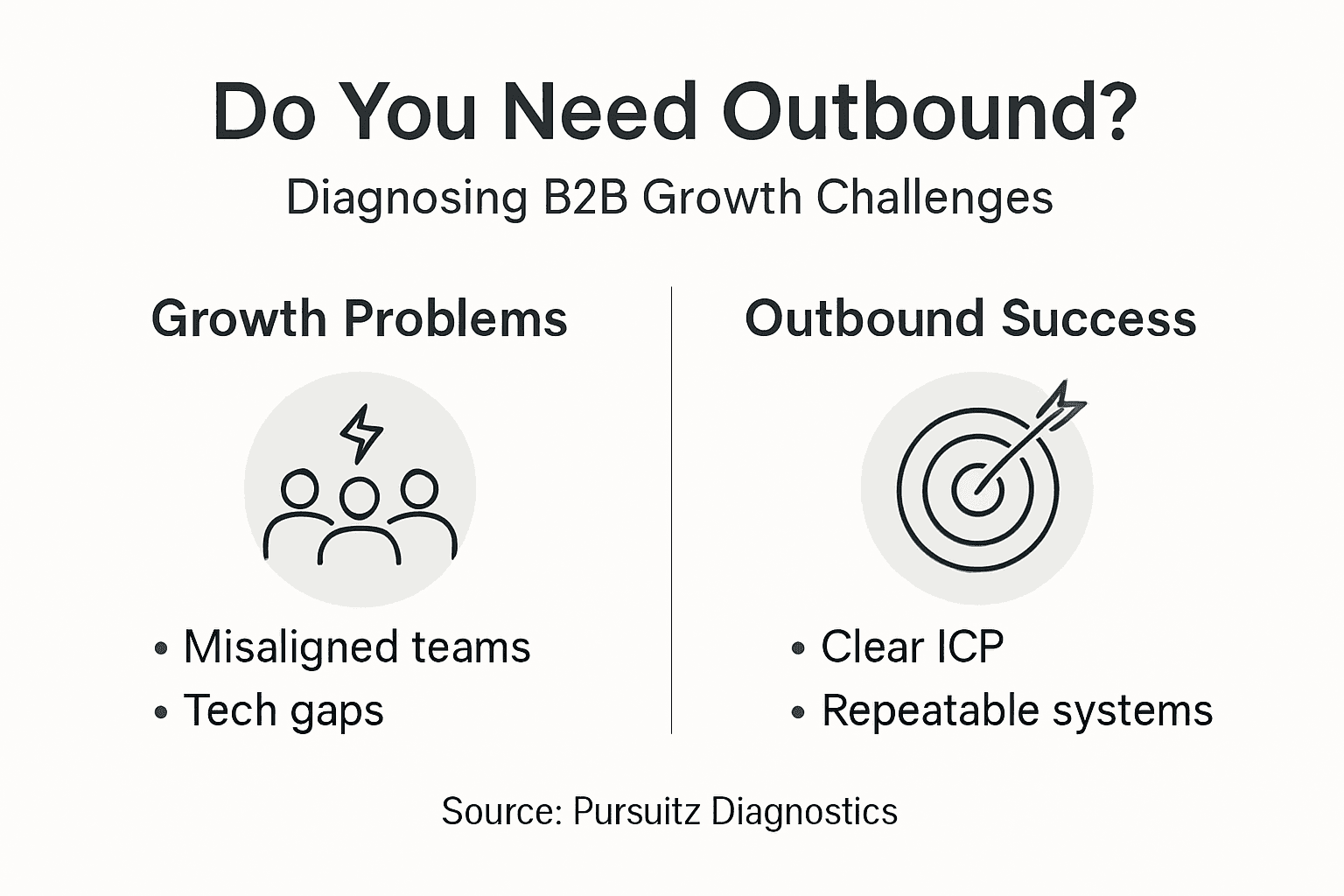
Pro tip: Develop a repeatable outbound system that prioritizes quality interactions over quantity of touchpoints.
Evaluating Readiness for LinkedIn-Based Outbound
LinkedIn-based outbound requires a sophisticated approach that goes far beyond traditional sales tactics. Organizations must develop a comprehensive ecosystem of capabilities, personal branding, and strategic communication before launching systematic outreach efforts.
Successful implementation demands more than technological tools. Founders and revenue leaders must cultivate a holistic approach that integrates personal expertise, targeted messaging, and genuine relationship-building strategies.
Critical readiness indicators include:
- Strong personal professional brand on LinkedIn
- Clear and compelling value proposition
- Deep understanding of ideal customer profile
- Sophisticated content creation capabilities
- Robust professional network
- Consistent thought leadership presence
- Advanced communication and storytelling skills
The most effective LinkedIn outbound strategies transform traditional sales approaches into trust-based relationship development. Successful practitioners view each interaction as an opportunity to provide genuine value, not simply extract immediate transactional opportunities.
Technological infrastructure plays a crucial supporting role in creating scalable outbound systems. Organizations must invest in tools that enable precise targeting, seamless communication tracking, and intelligent prospect engagement without sacrificing personal connection.
Pro tip: Develop a consistent personal brand narrative that authentically communicates your professional expertise and unique value proposition.
Unlock Predictable B2B Growth Through Authentic LinkedIn Outreach
If you find yourself struggling with invisible bottlenecks like misaligned messaging and premature outbound efforts, this article’s insights resonate with your exact challenges. Understanding the risks of launching outbound sales before your team and systems are fully ready can save precious resources and preserve morale. The solution lies in developing a trust-first, founder-led approach that turns LinkedIn into a predictable pipeline without relying on cold emails or paid ads.
Pursuitz specializes in helping B2B founders and leadership teams overcome these precise hurdles by combining hyper-personalized LinkedIn outreach with consistent personal branding and content distribution. By focusing on system design and measurable inputs, you move from stressful, low-confidence outbound attempts to scalable, repeatable deal flow.
Ready to diagnose your growth challenges and build a LinkedIn-based outbound system that really works? Visit Pursuitz to learn how our approach aligns perfectly with the ideas explored in this article. Take the first step toward removing internal friction and launching an authentic sales process that drives real results.
Frequently Asked Questions
What is outbound sales?
Outbound sales is a proactive sales approach where sales representatives initiate contact with potential customers through various channels like calls, emails, and social media, aiming to create meaningful connections.
How does modern outbound sales differ from traditional methods?
Modern outbound sales utilizes sophisticated targeting and personalized messaging, compared to traditional methods which relied heavily on generic cold calling and mass emailing. It emphasizes multi-channel engagement and data-driven strategies.
What are common growth challenges in B2B sales?
Common growth challenges often include misaligned sales and marketing departments, outdated technology, slow decision-making processes, and insufficient data integration, which hinder scalable growth.
How can an organization assess its readiness for outbound sales?
An organization can assess its readiness for outbound sales by evaluating its target market understanding, messaging strategies, technological infrastructure, and the training and preparedness of its sales personnel.