

Most American businesses now depend on accurate data to drive B2B lead generation, yet nearly 60 percent admit struggling with poor data quality. This challenge shapes every stage of finding and converting valuable prospects in today’s competitive environment. If you want to understand why data matters and how it transforms random outreach into real sales opportunities, this guide reveals the key strategies and types of information that set top performers apart.
Table of Contents
- Defining Data’s Role in Lead Generation
- Types of Data for B2B Prospecting
- How Data Powers Hyper Personalized Outreach
- Data-Driven Strategies for Qualified Lead Conversion
- Risks and Mistakes in Data-Driven Campaigns
Key Takeaways
| Point | Details |
|---|---|
| Data as the Foundation | Accurate and comprehensive data is essential for effective lead generation in B2B sales, transforming random prospecting into targeted strategies. |
| Multi-Dimensional Data Utilization | Leveraging demographic, firmographic, technographic, and behavioral data is crucial for identifying qualified leads and personalizing outreach. |
| Hyper-Personalized Outreach | Advanced data analysis enables the creation of tailored communications that resonate with prospects, improving engagement and conversion rates. |
| Holistic Approach to Lead Conversion | Integrating multiple data streams and AI technologies enhances lead qualification accuracy and optimizes conversion efficiency. |
Defining Data’s Role in Lead Generation
Data serves as the critical foundation for successful lead generation strategies in modern B2B sales environments. Without accurate, comprehensive data, businesses are essentially navigating complex sales landscapes blindfolded. Data-driven lead generation transforms random prospecting into a precise, targeted approach that dramatically increases conversion potential.
Understanding data’s role means recognizing its multifaceted impact across lead generation processes. Companies can leverage data to generate qualified leads for B2B sales by identifying precise audience characteristics, behavioral patterns, and engagement signals. This granular insight allows sales teams to segment prospects, personalize outreach, and prioritize high-potential opportunities with unprecedented accuracy.
The strategic application of data encompasses several critical dimensions. First, demographic data helps define ideal customer profiles by revealing key attributes like industry, company size, job titles, and geographic location. Second, behavioral data tracks prospect interactions across digital platforms, providing real-time insights into interests, pain points, and purchase readiness. Third, intent data signals emerging business needs by monitoring online research activities, content consumption, and engagement patterns. By synthesizing these data streams, businesses can craft hyper-targeted approaches that speak directly to potential customers’ specific contexts and challenges.
Implementing a robust data strategy requires continuous refinement and sophisticated analytical capabilities. Modern lead generation demands moving beyond static databases to dynamic, evolving intelligence systems that adapt in real-time. This means investing in advanced data collection technologies, implementing rigorous data hygiene practices, and developing analytical frameworks that transform raw information into actionable sales intelligence.
Types of Data for B2B Prospecting
Successful B2B prospecting hinges on understanding and leveraging multiple data types that provide comprehensive insights into potential business opportunities. Strategic data collection transforms random lead generation into a precise, targeted approach that maximizes conversion potential and minimizes wasted resources.

Understanding the landscape of B2B prospecting data begins with recognizing its primary categories. Sales prospecting strategies rely on a sophisticated blend of demographic, firmographic, technographic, and behavioral data points. Demographic data reveals basic organizational characteristics like company size, industry, geographic location, and revenue range. Firmographic information delves deeper, exploring company structures, ownership details, employee count, and market positioning.
Technographic and behavioral data represent the most dynamic and actionable information sources. Technographic data uncovers a company’s existing technology stack, software preferences, digital infrastructure, and potential technological gaps. This allows sales teams to identify precise opportunities for solution positioning. Behavioral data tracks digital interactions, including website visits, content downloads, social media engagement, webinar attendance, and response patterns to previous marketing campaigns. These signals provide real-time insights into prospect interest levels, pain points, and potential readiness for sales conversations.
The most sophisticated B2B prospecting approaches integrate these data types into a holistic intelligence framework. Intent data has emerged as a critical additional layer, monitoring external signals that indicate potential business needs. By combining multiple data streams, sales teams can create nuanced prospect profiles that enable hyper-targeted, personalized outreach strategies. The key is not just collecting data, but developing robust analytical capabilities that transform raw information into actionable sales intelligence.
How Data Powers Hyper Personalized Outreach
Hyper-personalized outreach represents the pinnacle of modern B2B sales strategies, transforming generic communication into precisely targeted interactions that resonate deeply with potential clients. Data-driven personalization enables sales teams to move beyond traditional one-size-fits-all approaches, crafting messages that speak directly to a prospect’s unique context, challenges, and opportunities.
Advanced data analysis techniques, such as predictive lead scoring using deep learning networks, allow businesses to transform raw input data into nuanced prospect insights. These sophisticated models can analyze multiple data points, including self-reported information, digital interactions, and external signals, to create comprehensive prospect profiles that enable unprecedented levels of personalization. By understanding not just demographic characteristics but also behavioral patterns and potential decision-making triggers, sales teams can craft outreach messages that feel individually crafted rather than mass-produced.
Applying natural language processing techniques to customer data further enhances personalization capabilities. Sales teams can now extract sentiment, identify key topics of interest, and develop communication strategies that align precisely with a prospect’s specific business context. This approach goes beyond surface-level personalization, allowing for deep, meaningful engagement that demonstrates genuine understanding of a potential client’s unique challenges and aspirations.
The ultimate power of hyper-personalized outreach lies in its ability to transform data from a static collection of information into a dynamic, actionable intelligence framework. By integrating multiple data streams and applying advanced analytical techniques, businesses can create outreach strategies that feel less like sales pitches and more like targeted, helpful conversations. The result is a dramatic improvement in engagement rates, conversion potential, and overall sales effectiveness.
Data-Driven Strategies for Qualified Lead Conversion
Lead conversion represents the critical intersection where raw prospect data transforms into tangible business opportunities. Successful B2B organizations understand that effective lead qualification requires a sophisticated, multifaceted approach that goes far beyond traditional sales techniques.
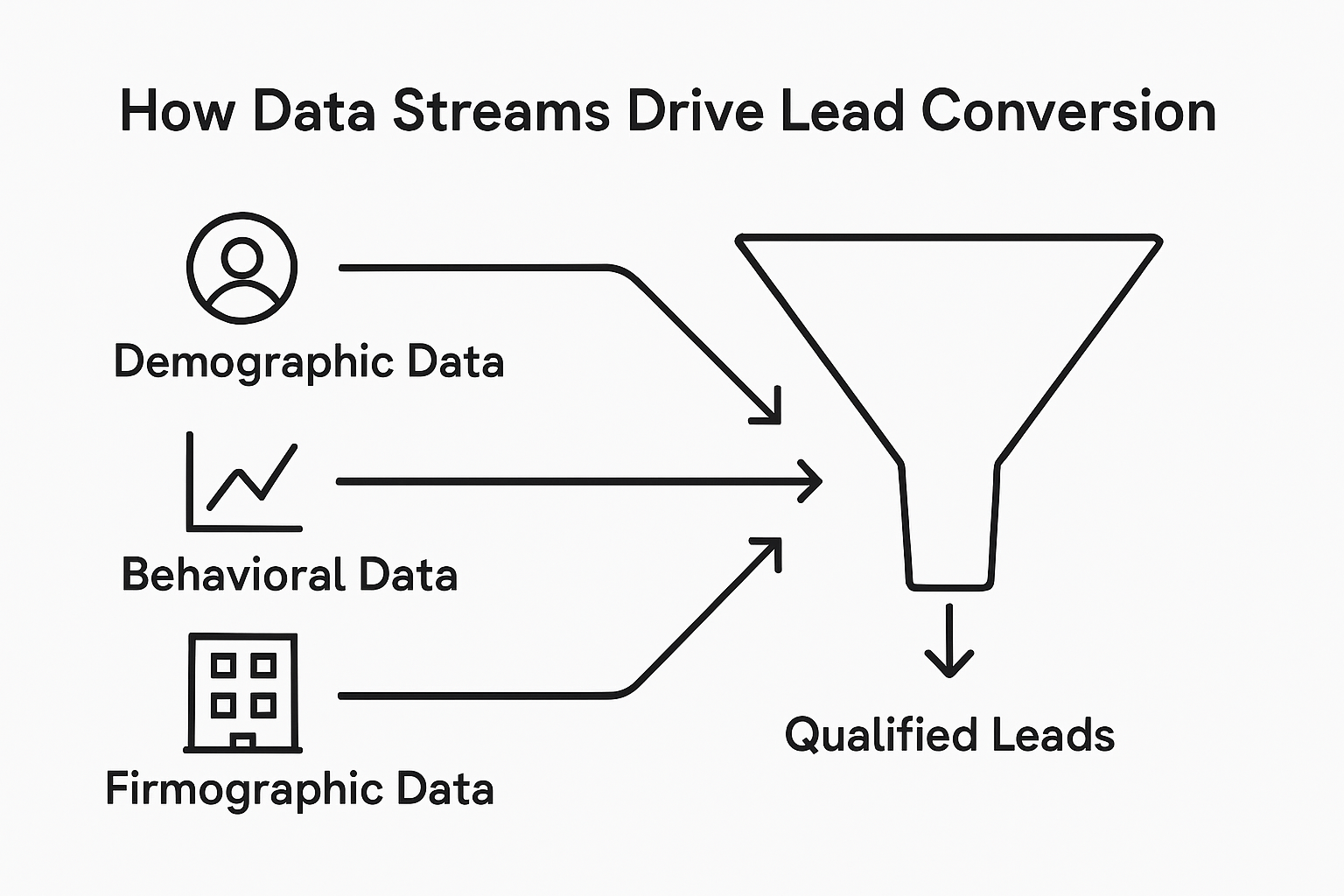
Mixed-methods research approaches have revealed that integrating quantitative and qualitative data analysis can dramatically improve lead conversion rates. By combining demographic information, behavioral signals, and contextual insights, businesses can develop a nuanced understanding of prospect potential that enables more precise targeting and engagement strategies. This means moving beyond simple demographic filtering to create complex, dynamic lead scoring models that capture the true essence of a potential customer’s readiness to purchase.
Recent studies on lead management maturity highlight the increasing importance of artificial intelligence in transforming lead conversion strategies. Modern AI-powered systems can analyze vast amounts of data to identify subtle patterns and predictive indicators that human analysts might overlook. These advanced technologies enable sales teams to prioritize leads with unprecedented accuracy, focusing their energy on prospects with the highest probability of conversion.
The most effective data-driven lead conversion strategies integrate multiple intelligence streams. This holistic approach combines historical performance data, real-time behavioral signals, technographic insights, and predictive modeling to create a comprehensive view of each potential customer. By developing a dynamic, continuously learning lead qualification framework, businesses can reduce wasted resources, shorten sales cycles, and dramatically improve overall conversion efficiency.
Risks and Mistakes in Data-Driven Campaigns
Data-driven campaigns represent a powerful approach to lead generation, but they also introduce significant risks that can undermine marketing effectiveness and organizational reputation. Navigating these potential pitfalls requires a sophisticated understanding of data management, privacy considerations, and strategic implementation.
Advanced data privacy strategies highlight the critical importance of protecting sensitive information throughout the data collection and utilization process. Enterprises must implement robust data masking techniques that safeguard individual identities while preserving the analytical value of their datasets. Common mistakes include inadequate data anonymization, over-collecting personal information, and failing to establish clear protocols for data handling and protection. These errors can lead to significant legal and reputational risks, potentially exposing organizations to regulatory penalties and loss of customer trust.
Complex data marketplace dynamics reveal additional challenges in data-driven campaigns. Organizations frequently miscalculate the true value of their data, leading to ineffective lead generation strategies. Mistakes often stem from oversimplified data pricing models, inadequate understanding of data privacy implications, and failure to develop comprehensive frameworks for data valuation and utilization. The most sophisticated B2B marketers recognize that data is not just a commodity but a strategic asset requiring nuanced management and sophisticated analytical approaches.
Mitigating risks in data-driven campaigns demands a holistic approach. This includes implementing rigorous data governance frameworks, investing in advanced security technologies, maintaining transparency with data sources, and continuously auditing data collection and utilization practices. Successful organizations treat data as a critical strategic asset, balancing the potential for insights with stringent protective measures that respect individual privacy and maintain the highest standards of ethical data management.
Elevate Your Lead Generation with Data-Driven Personalization
The article highlights how data is the cornerstone for transforming lead generation from random guessing into a precise, targeted, and effective strategy. If you find yourself struggling to identify qualified leads or crafting outreach that truly resonates, you understand the challenge of converting raw data into actionable intelligence and hyper-personalized messaging. Pursuitz addresses these pain points head-on by managing every step of your lead generation process, including prospect sourcing, ideal customer profile creation, and outreach so tailored it feels like you spend minutes researching before each connection.

Don’t leave your sales pipeline to chance. Discover how Pursuitz’s data-driven multichannel LinkedIn and email campaigns can deliver qualified leads that double your ROI within months. Ready to turn data into meaningful conversations and consistent sales? Visit Pursuitz to learn how our end-to-end approach can help you outsmart the competition and stop guessing where your next client will come from. Explore our proven methods and start filling your pipeline today.
Frequently Asked Questions
What is the role of data in lead generation?
Data serves as the foundation for lead generation strategies, enabling businesses to transition from random prospecting to a targeted approach that significantly enhances conversion potential.
How can data improve the accuracy of lead qualification?
Data helps create detailed prospect profiles by integrating demographic, behavioral, and firmographic information, allowing sales teams to prioritize high-potential leads with greater accuracy.
What types of data are most important for B2B prospecting?
Key data types for B2B prospecting include demographic, firmographic, technographic, behavioral, and intent data, which collectively offer comprehensive insights into potential business opportunities.
How does hyper-personalized outreach benefit from data?
Hyper-personalized outreach leverages data to craft messages tailored to each prospect’s unique challenges and context, improving engagement rates and enhancing the overall effectiveness of sales efforts.